comparing ecofriendly kraft paper options for packaging needs
As the demand for sustainable packaging solutions rises, businesses are increasingly turning to ecofriendly kraft paper. This versatile material is not only renewable but also biodegradable and recyclable, making it a popular choice for various packaging needs. In this article, we will explore different ecofriendly kraft paper options available in 2026, focusing on their unique features, benefits, and practical applications.
Types of Kraft Paper
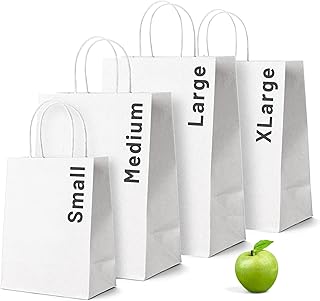
Kraft paper comes in various types, each suited for specific packaging requirements. The two main categories are brown kraft paper and white kraft paper. Brown kraft paper is made from unbleached pulp, retaining its natural colour and strength. It is ideal for packaging products that require durability and a rustic aesthetic. White kraft paper, on the other hand, is bleached to achieve a clean, bright appearance, making it suitable for branding and high-end packaging.
Recycled Kraft Paper
An excellent ecofriendly option is recycled kraft paper, which is made from post-consumer materials. This type of kraft paper significantly reduces the need for virgin pulp, leading to lower environmental impact. Recycled kraft paper is available in various weights and thicknesses, making it suitable for everything from wrapping gifts to creating sturdy boxes. When selecting recycled kraft paper, look for certifications indicating a high percentage of post-consumer content to ensure its sustainability credentials.
People Also Look For:
- 12-Pack Christmas Bags, 6 Designs Christmas Kraft Paper Bags, 8.85x7.08x3.5 Inches with Handles Xmas Gift Bags,
- YILEEY Scrapbook Photo Album Large: Scrap book 80 Black Pages DIY Gift Scrapbooking Kits with Accessories Memory Books Guestbooks ...
- ZXMNBH Stickers for Scrapbooking Kit Blue Butterfly Aesthetic Paper Diary Planner Junk Bullet Journaling Decorative Supplies 3 Pcs...
- White Paper Bags with Handles | 50 Pack | 120gsm White Kraft Paper Bags with handles | Large 14 x 10 x 4.5\"\' | Retail Lunch Part...
- JJQHYC 18 Pcs Gift Bags with Handles Kraft Paper Bags Small Birthday Bag Brown Party Favor Bags with Gold Foil Hearts ​Deco...
Waterproof and Oilproof Kraft Paper
For products that require protection from moisture and oils, waterproof and oilproof kraft paper options are available. These papers are treated with ecofriendly coatings that maintain their biodegradable properties while providing an extra layer of protection. Ideal for food packaging, these options ensure that products stay fresh and uncontaminated. When opting for this type of kraft paper, ensure that the coating used is compliant with food safety standards.
Custom Printed Kraft Paper
Custom printed kraft paper is an excellent way to enhance branding while utilising ecofriendly materials. Businesses can create bespoke designs that resonate with their target audience. Many printers now offer ecofriendly inks that are soy or vegetable-based, further reducing environmental impact. When opting for custom printed kraft paper, it is vital to communicate your sustainability goals with your printing partner to ensure the entire process aligns with your ecofriendly objectives.
Thickness and Strength Considerations
When choosing kraft paper for packaging, consider the thickness and strength of the material. Kraft paper is available in various weights, typically measured in grams per square metre (GSM). Heavier weights are suitable for products requiring added protection, while lighter weights are more suitable for wrapping and cushioning. For instance, a weight of 80 to 120 GSM is ideal for wrapping items, whereas 150 to 200 GSM is generally preferred for boxes and heavy-duty packaging.
Sources and Suppliers
Finding reliable sources for ecofriendly kraft paper is crucial for maintaining sustainability. Many suppliers now offer certifications such as FSC or PEFC, ensuring that their products come from responsibly managed forests. Additionally, local suppliers can reduce carbon footprint associated with transportation. When selecting a supplier, inquire about their sustainability practices and request samples to evaluate the quality of their kraft paper.
Cost Considerations
While ecofriendly kraft paper options may come at a premium compared to conventional materials, the long-term benefits often outweigh the initial investment. Consider the cost in relation to the overall branding and environmental impact. Many consumers are willing to pay a bit more for sustainable products, contributing to a positive brand image while supporting the ecofriendly movement.